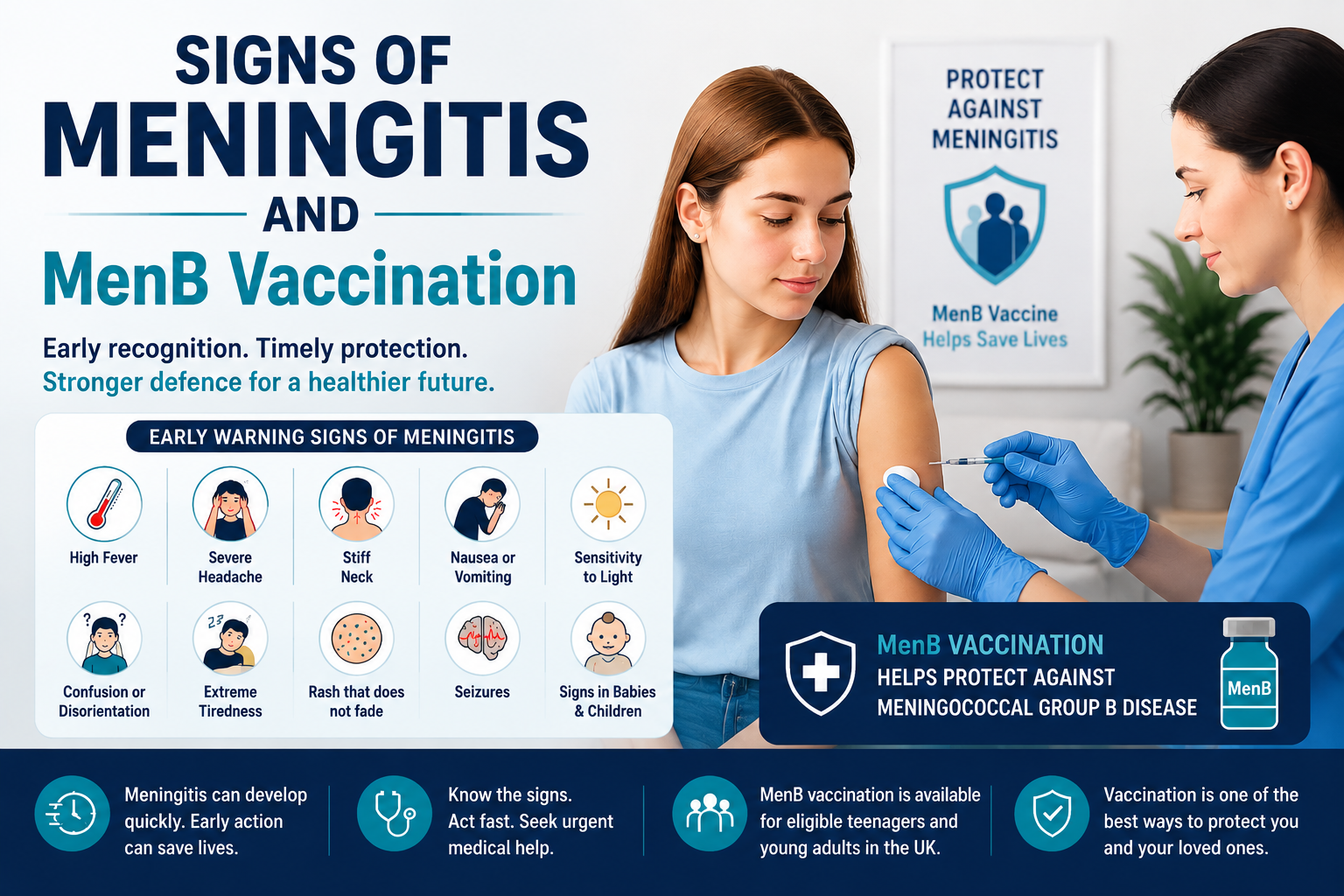
Healthcare in the UK is entering a period of necessary transformation. For many years, the system has been structured primarily around diagnosing and treating illness after it develops. While this approach remains essential, it is no longer sufficient on its own. Increasing demand, an ageing population, and the rising prevalence of long-term conditions have made it clear that a more proactive model is required.
Preventative healthcare is now being recognised as a central component of modern medicine. Rather than waiting for symptoms to emerge, the emphasis is shifting towards early identification of risk, timely intervention, and ongoing health management. This change reflects not only national policy direction but also a broader understanding of what constitutes effective and sustainable healthcare.
The Shift from Reactive to Proactive Care
The traditional model of care—often described as reactive—focuses on treating illness once it presents. While this has led to significant advances in acute and emergency medicine, it does little to reduce the overall burden of disease.
A large proportion of healthcare demand in the UK is driven by chronic conditions such as cardiovascular disease, type 2 diabetes, and certain cancers. These conditions frequently develop over many years and are influenced by a combination of genetic, environmental, and lifestyle factors. In many cases, earlier intervention could delay or even prevent their onset.
Preventative healthcare addresses this gap by focusing on what happens before illness becomes clinically apparent. It incorporates routine screening, risk assessment, and evidence-based lifestyle support, allowing clinicians to intervene at a stage where outcomes can be significantly improved.
Sustainability and the Future of the NHS
One of the most important drivers behind the shift towards prevention is the long-term sustainability of the NHS. Healthcare expenditure continues to rise, with a substantial proportion allocated to the management of chronic disease. Many of these conditions require ongoing treatment, monitoring, and in some cases, hospital-based care.
By contrast, preventative strategies aim to reduce the incidence and severity of these conditions. Early identification of elevated blood pressure, abnormal cholesterol levels, or impaired glucose regulation allows for timely management, often preventing progression to more serious disease.
National policy reflects this direction. The UK government’s long-term health strategy has outlined a transition towards prevention, alongside a move from hospital-centred care to community-based services and increased use of digital tools. These changes are intended to create a more efficient system that supports patients earlier and more effectively.
Prevention Across the Continuum of Care
Preventative healthcare is no longer limited to isolated screening programmes. It is increasingly understood as a continuous process that spans the entire patient journey.
Primary prevention focuses on reducing risk before disease develops, often through lifestyle interventions and public health measures. Secondary prevention involves early detection, identifying conditions at a stage where treatment is more effective and less invasive. Tertiary prevention aims to manage established conditions in a way that limits complications and preserves quality of life.
This more integrated approach reflects a shift towards what is sometimes referred to as “Prevention 2.0”, where every patient interaction becomes an opportunity to assess risk, provide guidance, and support long-term health.
The Role of Screening and Early Diagnosis
Screening programmes remain a cornerstone of preventative healthcare in the UK. National initiatives for cervical, breast, and bowel cancer have demonstrated the value of early detection in improving outcomes. Similarly, cardiovascular risk assessments, including blood pressure and cholesterol testing, play a crucial role in identifying individuals at increased risk of heart disease and stroke.
Advances in technology are further enhancing early diagnosis. Digital platforms and data-driven tools are increasingly used to support clinical decision-making and identify patterns that may not be immediately apparent. At the same time, improved access to diagnostics allows for more timely investigation of symptoms and risk factors.
However, the effectiveness of these measures depends on accessibility and patient engagement. Delays in assessment or limited access to services can reduce the benefits of early detection.
Community-Based Care and Accessibility
A key element of the UK’s evolving healthcare model is the shift towards delivering care closer to where patients live. Community-based services are intended to improve accessibility, encourage earlier engagement, and reduce pressure on hospital services.
This approach is particularly relevant in preventative healthcare, where continuity and ease of access are essential. Local clinics play an important role in providing timely consultations, routine health checks, and ongoing monitoring.
Niva Medical Clinic reflects this model by offering a comprehensive range of services within a community setting in North West London. Patients are able to access preventative care, including health assessments, blood testing, and follow-up consultations, in a timely and coordinated manner.
The Contribution of Private GP Services
Private GP services are increasingly recognised as a valuable complement to NHS provision, particularly in the context of preventative care. While NHS services provide essential screening programmes and population-level initiatives, private care can offer additional flexibility and continuity.
At Niva Medical Clinic, preventative healthcare is approached as an ongoing process rather than a one-off assessment. Patients have access to detailed health checks, diagnostic investigations, and structured support for areas such as weight management and menopause care. These services are designed to identify potential concerns early and provide appropriate guidance and follow-up.
Timely access to appointments and investigations allows for earlier intervention, which is a key principle of preventative medicine. Equally important is the ability to build a consistent relationship with a clinician, ensuring that care is tailored to individual needs and circumstances.
Improving Health Outcomes and Quality of Life
The ultimate aim of preventative healthcare is not simply to extend life expectancy, but to improve the quality of those additional years. This concept, often referred to as “healthspan”, focuses on maintaining physical, mental, and functional wellbeing over time.
Early identification and management of risk factors can reduce the likelihood of complications, support independence, and enhance overall quality of life. For many patients, this translates into fewer hospital admissions, reduced need for complex treatments, and a greater sense of control over their health.
Challenges in Implementing Preventative Care
Despite its clear benefits, the transition towards preventative healthcare presents several challenges. Public awareness and engagement remain key factors, as preventative measures are most effective when individuals actively participate in screening and lifestyle changes.
There are also considerations around equitable access, ensuring that all communities benefit from preventative services. In addition, the initial investment required to expand infrastructure and services can be significant. However, these challenges are widely recognised, and ongoing efforts continue to address them within the healthcare system.
A Forward-Looking Approach to Healthcare
Preventative healthcare represents a fundamental shift in perspective. It places emphasis on anticipation rather than reaction, continuity rather than episodic care, and long-term wellbeing rather than short-term intervention.
For patients, this means engaging with healthcare services before problems arise and maintaining regular contact with clinicians. For providers, it involves delivering care that is proactive, personalised, and evidence-based.
The future of medicine in the UK will increasingly depend on the successful integration of preventative care into everyday practice. By identifying risks earlier, supporting healthier lifestyles, and ensuring timely access to medical advice, the healthcare system can better meet the needs of a changing population.
Clinics such as Niva Medical Clinic play an important role in this evolving landscape, offering accessible, patient-centred services that align with the broader shift towards prevention.
Book a Preventative Health Consultation
For individuals in North West London seeking a more proactive approach to their health, Niva Medical Clinic provides comprehensive preventative care delivered in a professional and supportive environment.
Appointments can be arranged via the clinic’s website: https://nivamedicalclinic.co.uk
Further details, including location and patient feedback, are available here: https://share.google/P3V2MZmr277IDUurK
Taking a preventative approach to healthcare is a considered and responsible step towards maintaining long-term wellbeing.